Tattoo: A Bold Script for Creative Projects
First Impressions and Visual Personality
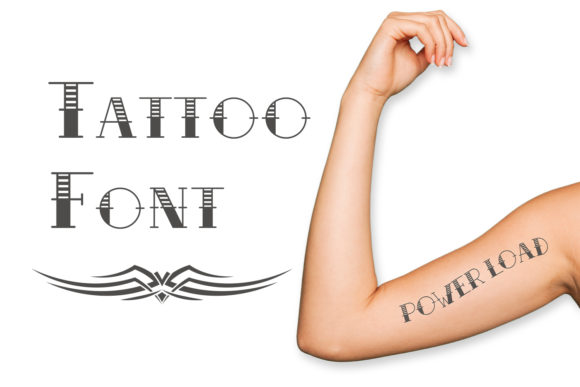
When I first laid eyes on Tattoo, it immediately struck me as a font with character. The flowing, yet robust strokes give off a sense of both elegance and strength. This typeface has a vintage charm with a modern twist, making it perfect for projects that need a touch of nostalgia without feeling outdated.
A Font with Versatility
Tattoo is a premium font that can be used in a variety of design contexts. Its script style makes it an excellent choice for logo design, where it can create a memorable and unique brand mark. In brand identity, it can add a personal, handcrafted feel to a company's visual language. For packaging design, Tattoo can elevate the look of any product, especially those in the luxury or artisanal markets.
Real-World Performance
In real-life work situations, Tattoo shines in several areas. It performs exceptionally well in large headlines, short phrases, and decorative accents. When used in posters, flyers, and invitations, it adds a touch of sophistication and creativity. For merchandise, it can make designs stand out, whether on t-shirts, mugs, or tote bags. In web design, Tattoo can be a standout choice for website headers and blog graphics, enhancing the overall aesthetic appeal.
Readability and Hierarchy
While Tattoo is visually striking, it’s important to use it judiciously. It works best in large sizes and for short, impactful text. For longer blocks of text, it may not be the most readable option. To maintain hierarchy and readability, pair Tattoo with a clean, sans serif font for supporting text. This combination ensures that the design remains both visually engaging and easy to read.
Testing and Practical Tips
Before incorporating Tattoo into your project, it’s crucial to test it thoroughly. Start by viewing it in black and white to ensure its legibility and impact. Check how it looks at smaller sizes to confirm its readability. Experiment with different mockups, such as product labels and social media graphics, to see how it fits. Compare the uppercase and lowercase letters to understand their visual balance. Review the spacing and kerning to make sure the letters flow smoothly. Finally, test it alongside other fonts like serif, sans serif, and display fonts to find the best pairing.
Commercial Licensing and Usage
Always check the commercial licensing before using Tattoo in client or business projects. Ensuring you have the right to use the font commercially will save you from potential legal issues down the line. This is particularly important if you plan to use Tattoo in digital products, printable designs, or as part of a larger brand identity package.
Conclusion: A Valuable Addition to Your Font Collection
Tattoo is a versatile and stylish font that can add a unique touch to a wide range of design projects. Whether you’re working on a new brand identity, creating eye-catching social media graphics, or designing premium packaging, Tattoo offers a blend of elegance and personality. Just remember to use it thoughtfully and test it thoroughly to ensure it meets your project’s needs. With the right application, Tattoo can become a valuable asset in your design toolkit.